
Assistive technology helps Gunner succeed
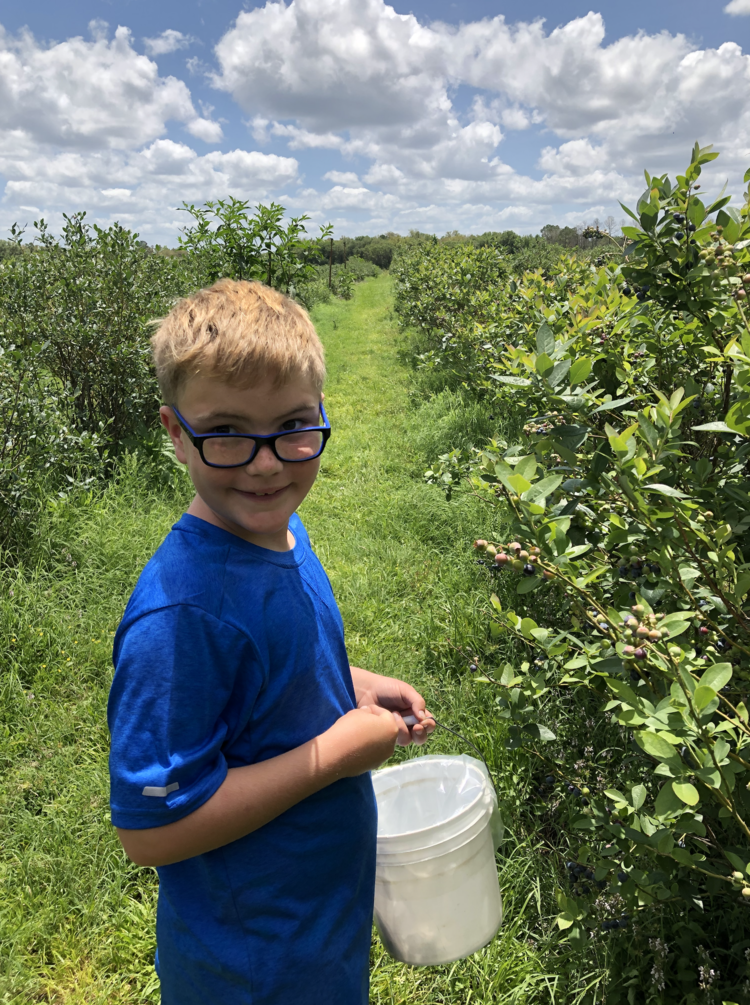
Since the age of 3, Gunner has been living with optic nerve glioma, a form of brain tumor that forms around the optic nerve, which connects the eyes to the brain. It causes significant vision impairment and other challenges.
“School has been difficult for him,” his mom, Andrea, reports. “He’s very bright but struggles greatly with visual processing due to the damage done by the tumor.” Letters, numbers, and words give him the most trouble, she added. After a year in kindergarten, his parents learned Gunner would not be ready to move on to first grade with his peers.
A second year in kindergarten was no less frustrating. “He needed accommodations and adaptations to help fill the gap that his vision had left,” Andrea says. “We weren’t getting much help as far as assistive technology from our local school, so we started searching for ways to help him. We found the Assistive Technology program at Hope Haven.”
To help kids with disabilities make the most of their potential, the Florida Alliance for Assistive Services and Technology (FAAST) at Hope Haven offers an extensive resource library of assistive technologies. In Gunner’s case, what did the trick was CCTV, a hands-free magnification device he can use to see more clearly. “It has made a big difference for him, and he took to it instantly,” Andrea says. “Hope Haven worked with us to allow it to be used in his school, leading to a more permanent solution.”
Both Andrea and Gunner, now 7, say they’re so happy to have found Hope Haven and the FAAST Program. “It has led to a much more enjoyable and functional classroom setting for Gunner. He enjoys school much more now, and has had greater educational success.”